

Beach Volleyball Summer Gear Checklist: What to Bring to the Sand
Summer is almost here, which means longer days, warmer sand, and way more chances to get outside and play beach volleyball.
But we all know the feeling: you get to the beach, the game is about to start, and someone forgot the ball. Or the court lines. Or the pump. Or water. Suddenly, the “quick beach volleyball day” becomes a whole mission.
So before you head out, here’s a simple beach volleyball gear checklist to make sure you’re ready to play, stay comfortable, and actually enjoy your time on the sand.
The Basics: Beach Volleyball Gear You Actually Need
Let’s start with the essentials. These are the things you really want to have if you’re planning to play a proper game.
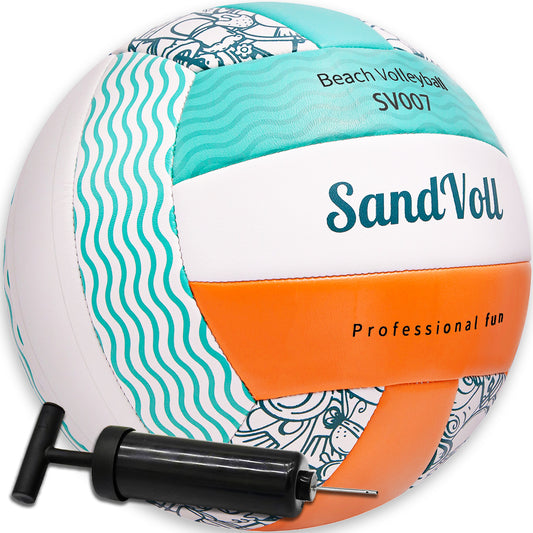
1. Beach Volleyball Ball
This one is obvious, but it’s also the easiest thing to assume someone else is bringing.
A proper beach volleyball should be made for outdoor play. Beach volleyballs are usually softer and slightly different from indoor volleyballs, which makes them better for sand, wind, and outdoor conditions.
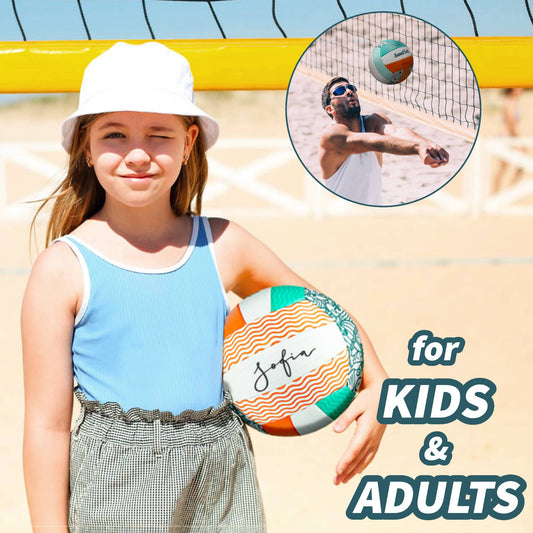
If you’re playing competitively, you may want to use a higher-end ball like the ones used in official tournaments. But if you’re playing recreationally, with friends, or with kids, you don’t always need the most expensive option. A good outdoor beach volleyball that feels comfortable and holds air well is usually enough.
Tip: Always check the air before you start playing. A ball that is too soft or too hard can change the game completely.

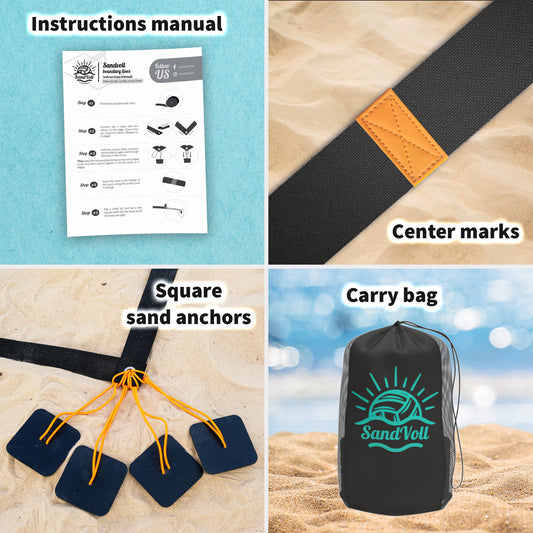
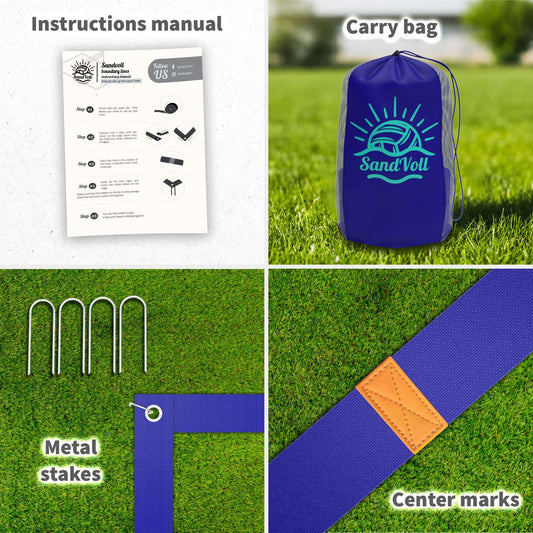
2. Boundary Lines
If you want to play a real game, you need court lines.
Sure, you can draw lines in the sand with your foot, but after a few dives, serves, and arguments about whether the ball was in or out, you’ll probably wish you had actual boundary lines.
Beach volleyball lines help:
- Define the court clearly
- Make in-or-out calls easier
- Keep the game more organized
- Give the court a cleaner, more serious feel
Official doubles beach volleyball court size is 52’6” x 26’3”, so if you want to practice or play properly, having the right line size matters.

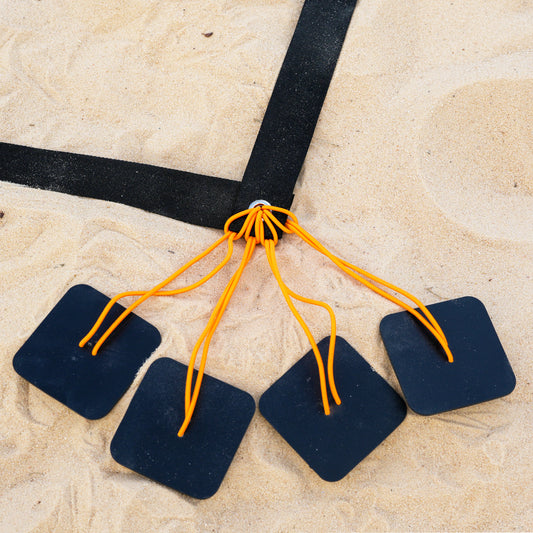
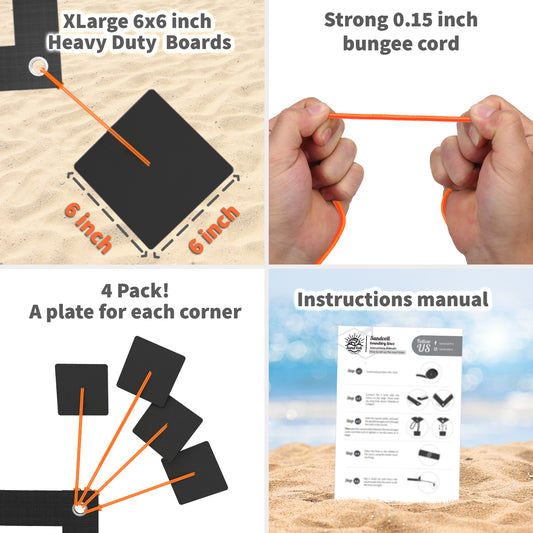
3. Sand Anchors
Court lines need to stay in place, especially when people are moving, diving, and pulling the lines by accident.
Some boundary line sets already include anchors. If yours doesn’t, you’ll want to bring sand anchors separately.
Good anchors help keep the lines tight and secure, so you don’t have to fix the court every few points. Plate-style sand anchors are especially useful because they stay buried well in the sand.

4. Air Pump
If you’re bringing a ball, bring a pump too.
A lot of volleyballs lose air slowly over time, especially if they’re used often or stored for a while. And if you buy a ball online, there’s a good chance it arrives deflated.
Having a small air pump in your bag can save the whole game.
It’s one of those things you don’t think about until you really need it.

5. Bag or Backpack
Beach volleyball usually means carrying more than just a ball.
You might have lines, anchors, a towel, water, sunscreen, snacks, and extra clothes. A good backpack or carry bag makes everything easier.
If your boundary lines come with a carrying bag, even better. It keeps the lines organized and prevents them from getting tangled with the rest of your stuff.

Comfort Gear: Small Things That Make a Big Difference
Now that we covered the game essentials, let’s talk about the things that make playing under the sun way more comfortable.
6. Sunglasses
Sunglasses are not just for looking cool on the beach.
They help when you’re tracking the ball against the sun, especially on serves, high sets, and defensive plays. If the sun is low or directly in your eyes, sunglasses can make a huge difference.
Look for sunglasses that:
- Stay secure while moving
- Don’t slip when you sweat
- Give good visibility
- Can handle sand and outdoor use
And maybe don’t bring your most expensive pair unless you’re okay with them ending up somewhere under the sand.

7. Hat or Cap
A hat is another simple item that can make your beach volleyball day much better.
It protects your face from the sun, helps you see better, and keeps you cooler during long games. A regular cap works fine, but some players prefer lightweight sports hats that dry quickly.
If you’re playing for a few hours, this is not just about comfort. It helps you stay fresh and avoid getting cooked by the sun.

8. Sand Socks
Sand socks are optional, but on hot days they can be a lifesaver.
If you’ve ever tried playing barefoot on burning sand in the middle of summer, you know exactly why they exist.
Sand socks can help:
- Protect your feet from hot sand
- Give a bit of grip
- Reduce irritation from rough sand
- Keep your feet warmer on cooler days
You may not need them every time, but they’re worth having in your bag.

9. Sunscreen
Don’t skip this one.
Beach volleyball usually means spending a lot of time under direct sun. Even if you only plan to play “a quick game,” that quick game can turn into two or three hours before you notice.
Use sunscreen before you start, and reapply if you’re playing for a long time or sweating a lot.
Also, don’t forget easy-to-miss spots like:
- Shoulders
- Neck
- Ears
- Back of the legs
- Top of the feet
Future-you will be grateful.
10. Towel
A towel is useful for everything.
You can use it to dry off, clean sand from your hands, sit on between games, or cover your gear from the sun. If you’re playing near water, it’s even more important.
Some players also bring a small extra towel just for wiping their face and hands during breaks.
11. Extra Clothes
Bring a change of clothes.
After a long session, you might be sweaty, sandy, wet, or all three. Having a clean shirt, shorts, or hoodie for after the game makes the drive home much better.
If you’re playing early morning or late afternoon, temperatures can change fast, so a light layer can also be useful.
Hydration and Energy
Beach volleyball is fun, but it can also drain you quickly, especially in summer.
12. Water
Bring more water than you think you need.
Playing in the sun, running in sand, and sweating for hours can dehydrate you faster than expected. A small bottle might not be enough if you’re playing multiple games.
A reusable insulated bottle is a good idea because it keeps your water colder for longer.
Simple rule: if you feel thirsty, you probably should have started drinking earlier.

13. Snacks and Electrolytes
This is not always necessary for a casual short game, but if you’re playing for a few hours, doing a tournament, or training seriously, snacks and electrolytes can help a lot.
Good options include:
- Bananas
- Protein bars
- Fruit
- Electrolyte drinks or tablets
- Light salty snacks
Electrolytes are especially useful on very hot days because you lose more than just water when you sweat.

Extra Gear for More Serious Players
If you’re playing more often or training seriously, you may want to add a few extra things to your beach volleyball bag.
14. Resistance Bands or Warm-Up Tools
A quick warm-up can help prevent injuries, especially for shoulders, knees, and ankles.
Resistance bands are small, light, and easy to carry. They’re useful before serving, hitting, or playing a long session.
Even five minutes of warm-up is better than jumping straight into full-speed play.

15. Volleyball Antennas
If you’re playing more seriously, volleyball antennas can make your court feel much closer to a real tournament setup.
Antennas are the vertical rods attached to the net that mark the legal crossing space for the ball. In simple words, the ball should pass between the antennas when going over the net. If the ball crosses outside the antennas, it is considered out.
For casual beach games, you probably don’t need them. But if you’re training, running more competitive games, or trying to improve your accuracy on attacks and serves, antennas can be very useful.
They help with:
- Clearer calls on wide shots
- Better practice for tournament-style play
- More accurate attacking and serving targets
- Making the court setup feel more professional
If you already have a net and court lines, adding antennas is a nice next step for players who want a more complete beach volleyball setup.

16. Notebook or Phone Notes
This might sound too serious, but it can help.
If you’re training, write down what you worked on, what felt good, and what needs improvement. You can also record short clips of your serving, setting, or hitting to check your technique later.
You don’t need to overthink it. Just use it as a way to improve a little each time.

Quick Beach Volleyball Gear Checklist
Before you leave the house, check that you have:
- Beach volleyball ball
- Boundary lines
- Sand anchors
- Air pump
- Bag or backpack
- Sunglasses
- Hat or cap
- Sand socks
- Sunscreen
- Towel
- Extra clothes
- Water
- Snacks or electrolytes
- Optional warm-up gear
If you have these, you’re probably ready for a solid day on the sand.
Final Thoughts
Beach volleyball doesn’t require a lot to get started, but bringing the right gear makes the whole experience smoother.
You don’t need to pack like you’re going on a three-day expedition. But having a good ball, proper court lines, water, sunscreen, and a few comfort items can be the difference between a fun beach volleyball day and a frustrating one.
So before your next game, take a minute to check your bag.
Your teammates will thank you.
And if you need beach volleyball gear for your next summer session, check out SandVoll products, including our outdoor beach volleyball, boundary lines, and court accessories made for easy setup and fun games on the sand.